AI at gunpoint: will we have time to set "red lines" before 2026?
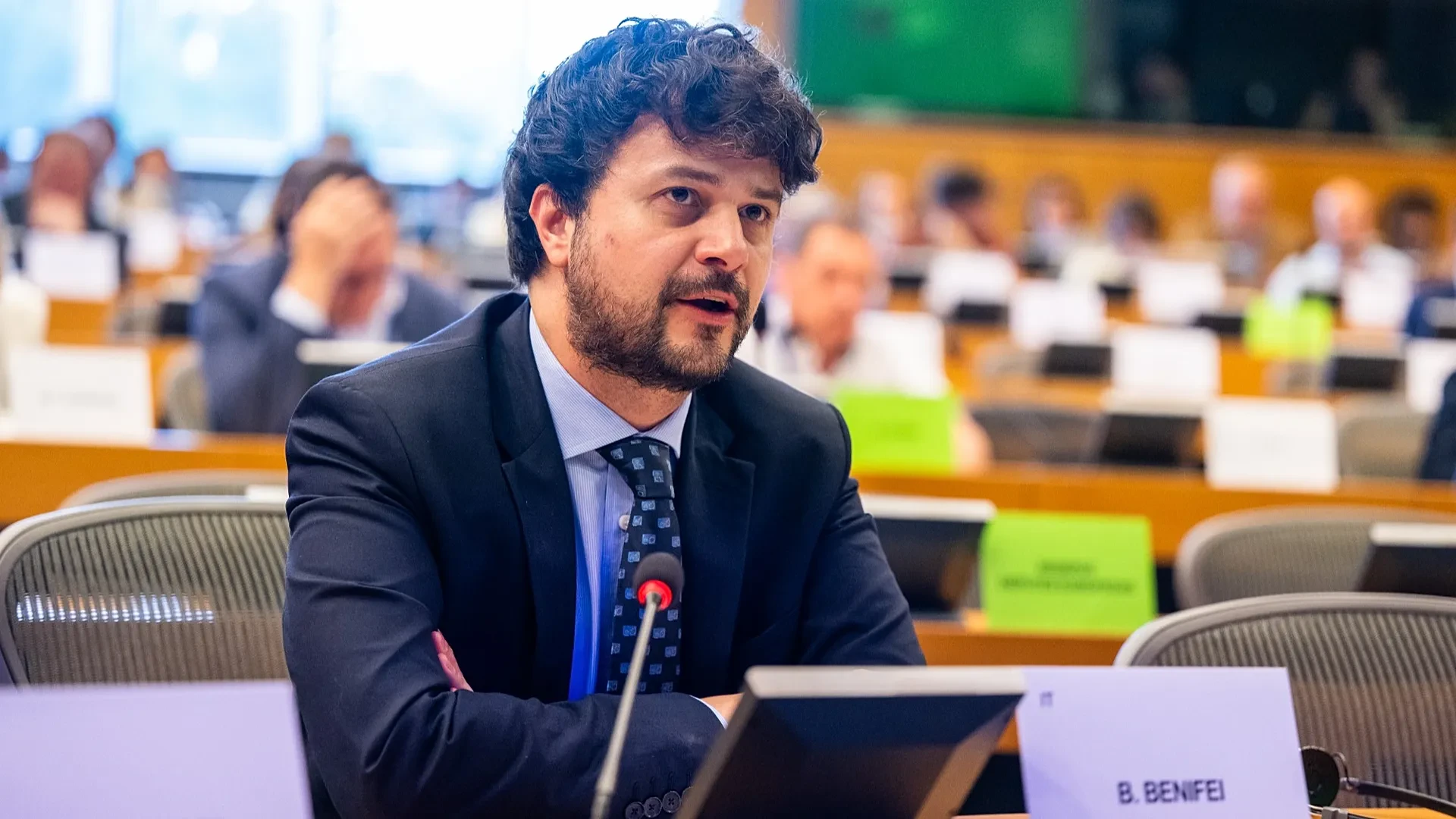 More than 200 experts, including Nobel laureates, are calling for urgent regulation of AI, fearing catastrophic consequences. But will the world have the political will to harness this power before it's too late?
X-hour for artificial intelligence: who determines the rules of the game?
The world is on the verge of a new era. Eras where artificial intelligence (AI) is no longer science fiction and is becoming a reality that can change everything from the economy to the very nature of humanity. And while we admire its potential, so does anxiety.
More than 200 prominent personalities, including 10 Nobel Prize winners, two former heads of state and leading experts from OpenAI, Google DeepMind and Anthropic, on 21.09.2025 urged the international community to set clear "red lines" in the development of artificial intelligence. However, the CEOs of leading AI companies, including OpenAI's Sam Altman, Anthropic's Dario Amodei, and Google's DeepMind's Demis Hassabis, did not sign the document.
The authors of the statement sound the alarm: it is time to set clear "red lines" in the development of AI, otherwise we risk facing disaster.
We are talking about things that used to seem like the plots of dystopias: artificially created pandemics, mass unemployment, loss of control over autonomous systems. These are not just horror stories, but very real scenarios if AI develops uncontrollably.
The initiators call for an international agreement, which should be concluded and supported by enforcement mechanisms by the end of 2026. The goal is to prevent "unacceptable risks" that could cause "irreversible damage to humanity." But will we succeed?
The American Gambit: Why Global AI Regulation Is at Risk?
Despite widespread support for AI regulation, there are significant obstacles to a global agreement. The main one is the position of the United States. American policy, expressed in "AI Action Plan", warns against "onerous" and "vague" regulations that may not align with American values or be influenced by foreign companies. Senator Ted Cruz directly stated the need to counteract "excessive foreign regulation".
This poses a serious problem. AI is a cross-border technology, and fragmented regulation developing in individual countries and regions (for example, in the EU) will not be able to effectively manage it. It turns out that one country can slow down the progress of all mankind in the issue of AI safety, guided by its national interests.
The moment of truth: which organ will be able to curb AI?
The signatories call for the creation of an independent international body, similar to the Intergovernmental Panel on Climate Change (IPCC), which will be responsible for monitoring and enforcing established rules. This seems like a logical solution, but the question is, who will have real power in this body? Who will determine which "red lines" are really important, and which are only hindering the development of technology?
Basic prohibitions are proposed, such as preventing the use of AI to launch nuclear attacks, mass surveillance, or imitation of humans. But what about the more subtle questions? What about using AI to manipulate public opinion, to create deepfakes that can destabilize the political situation in entire countries? Here we need clearer and more thoughtful rules.
Former President of the UN General Assembly Csaba Kyorosi emphasized the historical significance of the moment, noting that "Mankind in its long history has never met with an intelligence higher than ours. In a few years we will meet". This meeting can be either the triumph of humanity or its end.
The game has begun: will we have time to prepare for an encounter with AI?
The initiative to set "red lines" for AI is not just a call for regulation, it is a call for awareness. We need to understand that AI is not just a tool, it is a force that can change the world beyond recognition. And our future depends on how we manage it.
Will we have time to set the "red lines" before 2026? Can we agree on global regulation of AI, despite political differences and economic interests? The answers to these questions will determine what the world will be like tomorrow. The game has begun.
Questions to Ponder
- What are the biggest risks associated with the uncontrolled development of AI?
- How can global cooperation on AI regulation be achieved despite political differences?
- What specific "red lines" should be set first?
Time-Burning Lies: Why Neural Networks Hallucinate Through Links and How NotebookLM Saves From Fakes
Teable.ai Review: A Powerful AI Alternative to Airtable and App Builder Credit Trap
🎙️ How To Create The Perfect AI Voice Clone In 2026 (And Get Away From Subscriptions For Good)